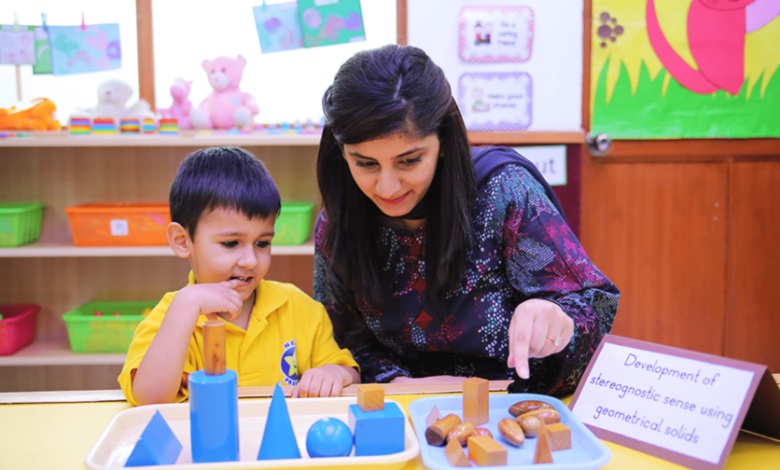
Finding the right preschool near me is essential for a child’s early development and parents’ peace of mind. Many parents look for quality programs that balance education, care, and convenience in their local area. A good preschool near you offers accredited early education, experienced staff, and a safe, nurturing environment that supports learning through play and discovery.
Options vary widely, from Montessori and nature-based schools to more traditional daycare centers, each with unique approaches to early childhood education. Parents can choose based on their child’s learning style, proximity to home, and available schedules to find the best fit.
Local preschools often provide flexible programs for children aged six weeks to six years. Many also offer additional services like before- and after-school care, ensuring families have reliable support tailored to their needs.


Finding the Best Preschool Near Me
Choosing the best preschool involves evaluating several practical details that align with a child’s needs and family preferences. Important considerations include the program’s approach, schedule flexibility, and firsthand impressions of the facility.
Key Factors to Consider
Parents should focus on the preschool’s curriculum, teacher qualifications, and safety policies. A strong curriculum balances play and structured learning to support development. Checking if staff are certified in early childhood education helps ensure quality.
Location and cost are critical too. Closer proximity simplifies daily routines, and transparency on tuition and additional fees avoids surprises. Reviews from other parents can provide insight into the school’s strengths and weaknesses.
Communication between staff and families matters as well. Preschools that offer regular updates and welcome parental involvement tend to foster supportive environments.
Comparing Program Types
Preschool offerings vary in length and focus. Full-day programs provide consistency, beneficial for working parents, while part-time options may suit families seeking gradual social exposure for their child.
Some preschools emphasize academic readiness, including early literacy and math skills. Others prioritize social and emotional growth through play-based learning. Evaluating which aligns better with a child’s temperament and parental goals is crucial.
It helps to review whether the program includes meals, nap time, or extracurricular activities like music or language lessons. These features can affect convenience and enrichment opportunities.
Visiting Local Campuses
A site visit offers invaluable insight beyond websites and brochures. During a visit, observing classroom interactions and facility cleanliness reveals the daily atmosphere.
Parents should ask about class sizes, teacher-to-child ratios, and how transitions are managed. Seeing how teachers engage children informs on staff attentiveness and teaching style.
The overall environment—its safety features, outdoor play areas, and available resources—impacts a child’s comfort and growth. Scheduling multiple visits to different preschools allows for informed comparisons.
Enrollment and Preparing Your Child
Successful enrollment requires understanding deadlines, required documents, and how to register. Preparing a child for preschool also involves familiarizing them with routines and supporting their early development at home.
Application and Registration Process
Parents should register their child well in advance, as places are typically assigned by order of registration and the child’s age. Registration windows vary by municipality or school, but many require applications months before the school year begins.
Essential documents usually include the child’s birth certificate, proof of residence, and vaccination records. Some preschools have online portals where parents can track application status and confirm placements.
Waiting lists may apply for popular programs. Applying early increases chances of securing a spot. Municipal pre-primary education applications, for example, often open in mid-February, with specific deadlines to submit all materials.
See also: How Scheduled Scrap Pickup Services Streamline Cleanup for Homes and Businesses
Transitioning to Preschool
Helping a child adjust emotionally and socially to preschool is crucial. Parents can prepare children by visiting the preschool, meeting teachers, and discussing daily routines in advance.
Gradual exposure to group activities can ease separation anxiety. Encouraging self-help skills, such as using the bathroom and managing personal belongings, promotes confidence.
Preschools often have orientation sessions to familiarize families and children with the environment. Consistent drop-off and pick-up routines create security and predictability for the child.
Supporting Early Learning at Home
Early learning at home complements preschool education. Parents can engage children in age-appropriate activities that develop language, motor skills, and social understanding.
Reading daily, practicing basic counting, and exploring nature foster curiosity and foundational skills. Creating a routine that includes play, meals, and rest prepares children for the structure of school days.
Maintaining communication with teachers helps parents align home activities with preschool goals. Encouraging children’s questions and expressing positive attitudes toward learning build motivation for school.