Business Performance Metrics and Insights: 240952, 570026910, 648623659, 621290991, 21389408, 120984575

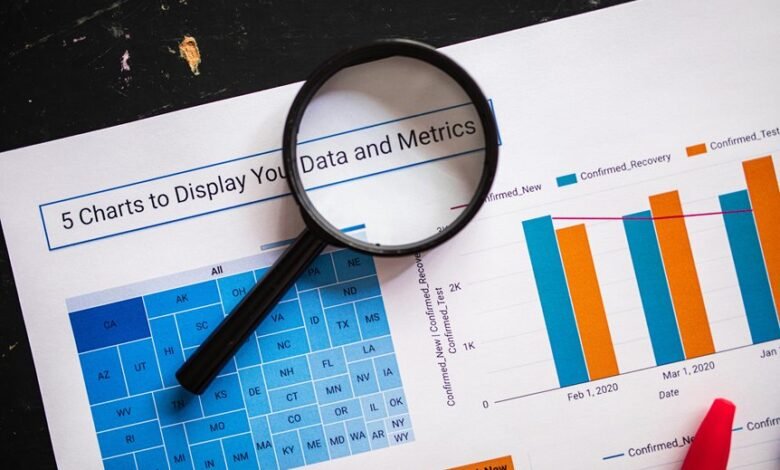
Business performance metrics serve as critical indicators of organizational efficiency and growth potential. The specific metrics of 240952, 570026910, 648623659, 621290991, 21389408, and 120984575 provide a framework for evaluating performance across various domains. By scrutinizing these figures, businesses can uncover underlying trends and opportunities. However, understanding how to effectively leverage these insights remains a pivotal challenge for many organizations. The implications of this analysis could reshape strategic approaches significantly.
Understanding Key Performance Metrics
How can organizations effectively gauge their success and identify areas for improvement?
By utilizing performance indicators, organizations can establish clear metrics that highlight operational efficiency and effectiveness.


Metric comparisons across different time periods or industry standards provide valuable insights.
This analytical approach allows for a detailed evaluation, fostering a culture of continuous improvement and empowering organizations to make informed decisions for enhanced performance.
Analyzing Data Points for Strategic Insights
Organizations can further enhance their understanding of business performance by analyzing specific data points that reveal strategic insights.
By employing data visualization techniques, stakeholders can effectively interpret complex information.
Metric comparison facilitates the identification of trends and variances, allowing for informed decision-making.
This analytical approach empowers organizations to navigate challenges and optimize their strategies, ultimately promoting a culture of continuous improvement and innovation.
Identifying Growth Opportunities Through Metrics
While businesses continuously strive for growth, the effective use of metrics can illuminate untapped opportunities that may otherwise remain hidden.
Implementing Data-Driven Decision Making
Implementing data-driven decision making requires a systematic approach that leverages quantitative insights to guide operational and strategic choices.
Organizations must utilize data analytics to evaluate performance metrics, ensuring informed decisions are made within established decision frameworks.
This integration fosters a culture of accountability and transparency, empowering teams to adapt swiftly to market dynamics while maintaining the freedom to innovate within data-informed boundaries.
Conclusion
In conclusion, the analysis of business performance metrics such as 240952, 570026910, and others reveals critical insights that can drive organizational success. For instance, a study found that companies leveraging data-driven decision-making are 5-6% more productive than their peers. This statistic underscores the importance of continuously evaluating performance indicators, as doing so not only uncovers growth opportunities but also fosters an agile and innovative business environment capable of adapting to ever-changing market dynamics.