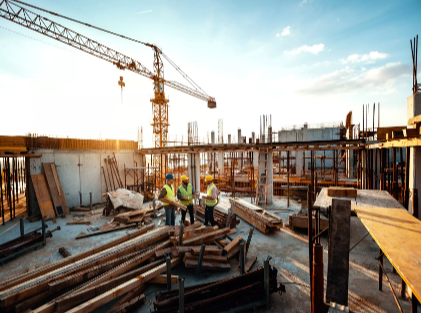
The construction industry stands as one of the most hazardous work environments, with safety incidents affecting thousands of workers annually. Yet behind every successful project lies a commitment to protecting the people who build our communities. When companies prioritize safety protocols and invest in proper equipment handling, they don’t just prevent accidents—they create a foundation for sustainable growth and industry excellence.
Safety isn’t just about compliance; it’s about building trust, maintaining productivity, and ensuring that every worker returns home safely each day. Companies that embrace comprehensive safety measures often discover that their investment pays dividends through reduced insurance costs, improved worker morale, and enhanced reputation within their industry.
The Foundation of Safe Construction Practices
Creating a culture of safety begins with establishing clear protocols that every team member understands and follows. Effective safety programs include regular training sessions, equipment inspections, and clear communication channels for reporting potential hazards.


Workers need access to proper personal protective equipment (PPE) and training on how to use it correctly. Hard hats, safety glasses, steel-toed boots, and high-visibility clothing represent the basic level of protection, but specialized equipment may be required depending on the project’s specific demands.
Regular safety meetings help keep protocols fresh in everyone’s minds while providing opportunities to address new challenges or update procedures based on changing conditions. These gatherings also allow workers to share experiences and suggest improvements to existing safety measures.
Equipment Safety and Proper Handling
Construction projects often involve complex machinery that requires specialized knowledge and careful operation. From excavators and cranes to specialized transport equipment, each piece of machinery presents unique safety considerations that operators must master.
Proper training programs ensure that operators understand not only how to use equipment effectively but also how to recognize potential problems before they become dangerous. Regular maintenance schedules keep machinery in optimal condition, reducing the likelihood of mechanical failures that could lead to accidents.
For projects requiring specialized services like heavy machinery moving in Salt Lake City, working with certified professionals becomes essential. These experts understand the unique challenges of transporting and positioning large equipment safely, including considerations for terrain, weather conditions, and regulatory requirements.
Risk Assessment and Prevention Strategies
Every construction project begins with a thorough risk assessment that identifies potential hazards and establishes mitigation strategies. This process involves examining everything from site conditions and weather patterns to the complexity of required tasks and the experience level of available workers.
Environmental factors play a crucial role in construction safety. Weather conditions, soil stability, proximity to power lines, and traffic patterns all influence the safety protocols required for a particular project. Regular reassessment ensures that safety measures evolve as project conditions change.
Documentation becomes vital for tracking safety performance and identifying areas for improvement. Incident reports, near-miss documentation, and regular safety audits provide valuable data for refining safety protocols and preventing future accidents.
Technology’s Role in Modern Safety
Advanced technology continues to transform construction safety practices. Wearable devices can monitor worker vital signs and alert supervisors to potential health emergencies. GPS tracking helps ensure that workers remain in safe zones while heavy equipment operates nearby.
Drones provide aerial perspectives that help identify potential hazards that might not be visible from ground level. These unmanned vehicles can inspect hard-to-reach areas, monitor progress, and verify that safety protocols are being followed across large job sites.
Building Information Modeling (BIM) software allows project managers to identify potential safety conflicts before construction begins. By visualizing the entire project in three dimensions, teams can spot areas where different trades might interfere with each other and develop strategies to minimize risks.
Creating Accountability and Continuous Improvement
Successful safety programs require accountability at every level of the organization. From project managers to individual workers, everyone must understand their role in maintaining a safe work environment and feel empowered to speak up when they notice potential problems.
Regular safety training reinforces proper procedures while introducing new techniques and technologies. These sessions also provide opportunities to review recent incidents and discuss lessons learned that can prevent similar problems in the future.
Recognition programs that celebrate safety achievements help maintain enthusiasm for safe practices. When companies acknowledge workers and teams that demonstrate exceptional safety performance, they reinforce the message that safety is a core company value.
Read also: The Entrepreneur’s Shortcut: Unlocking Growth with a Ready-Made Company
Building Tomorrow’s Success Today
Companies that prioritize safety create competitive advantages that extend far beyond accident prevention. Their reputation for reliability attracts quality workers and discerning clients who value professionalism and attention to detail.
The construction industry continues to evolve, with new technologies and methods constantly emerging. Organizations that maintain their commitment to safety while embracing innovation position themselves to take advantage of new opportunities while protecting their most valuable asset—their people.
Every safe project completed today contributes to a stronger foundation for future success. By investing in comprehensive safety programs, proper training, and quality equipment, construction companies build not just structures, but lasting legacies of excellence and responsibility.